

Some of the most iconic electric guitars weren’t instant hits. Many were misunderstood, dismissed, or overlooked when first released—but over time, they became legendary collector’s items. Here’s a countdown of ten electrics that went from flop to top.

10. Mosrite — The Surf Guitar That Became Legendary
When Mosrite guitars were introduced in the early 1960s by Semie Moseley, their unique “slim and fast” necks and distinctive body shapes were considered unusual. Initially, they struggled to gain mainstream traction, and only a niche group of players embraced them.
Surf bands like The Ventures helped elevate Mosrite to cult status. Today, vintage Mosrites are prized for their fast playability, bright tone, and iconic association with surf and garage rock. Original 1960s Mosrites are now highly collectible and often command high prices.

9. Dean ML — The Radical Shape That Defined Metal
The Dean ML, designed in the 1970s, had an unusual body shape with a V-shaped lower bout and extended upper horn. Its radical design initially confused traditional players and didn’t sell well.
However, metal icon Dimebag Darrell popularized the ML in the 1980s, and it quickly became a symbol of heavy metal. Today, early Dean MLs are highly prized by collectors and metal enthusiasts alike.

8. Danelectro — The Quirky Classic That Came Back
When Danelectro launched its affordable, quirky guitars in the 1950s–60s, many players dismissed them as novelty instruments. Its Masonite body, lipstick tube pickups, and unconventional styling made it stand out—but serious guitarists were skeptical.
Over time, Danelectros became cult classics thanks to their unique tone, lightweight feel, and retro charm. After going out of business for a time, Danelectro has recently relaunched, bringing their classic designs and tones back to a new generation of players. Vintage models are now highly collectible.

7. Kramer Baretta — The ‘80s Hair Metal Flop Turned Collector Favorite
The Kramer Baretta, famous in the mid-1980s, was initially overlooked due to its flashy styling and competition from larger brands.
Its use by guitarists like Eddie Van Halen, however, transformed its reputation. The Baretta became synonymous with hair-metal shredding, and original vintage models are now highly collectible.

6. Ibanez RG — From Metal Obscurity to Iconic Shred Guitar
Ibanez’s RG series, launched in the 1980s, struggled to gain traction outside Japan. Initially overshadowed by American guitars, it was considered a niche metal instrument.
As shred guitarists like Paul Gilbert and Steve Vai showcased its speed-friendly necks and high-output pickups, the RG exploded in popularity. Now, vintage RGs are prized by players and collectors alike.

5. BC Rich Warlock — The Shock-and-Awe Shape That Won Fans
When BC Rich released the Warlock in the 1980s, its extreme, angular body designs shocked traditional players. Many dismissed it as a gimmick, and mainstream acceptance was limited.
However, the Warlock became a favorite among metal and hard rock guitarists, with artists like Lita Ford and Mantas (Venom) championing it. Its bold look and aggressive tone eventually made it a cult classic, and vintage Warlocks are now prized by collectors seeking that dramatic, rebellious edge.

4. Gibson Explorer — The Bold Design That Took Time to Catch On
When Gibson introduced the Explorer in 1958 alongside the Flying V, its radical angular body design was considered too futuristic. Only a few were sold initially, and production was halted shortly after.
Over time, rock and metal guitarists embraced the Explorer for its aggressive looks and powerful tone. Legends like The Edge (U2) and James Hetfield (Metallica) helped cement its iconic status. Today, early Explorers are highly collectible and celebrated as a bold Gibson classic.

3. Rickenbacker 360/12 — The Beatles’ 12-String Game-Changer
When Rickenbacker introduced the 360/12 12-string electric guitar in the early 1960s, it was a niche instrument with limited appeal. Its jangly sound and unconventional design meant few players immediately embraced it.
Everything changed when John Lennon played it on Beatles recordings like A Hard Day’s Night. Overnight, it became synonymous with the Beatles’ signature sound, and 12-string electrics became highly desirable. Today, vintage Rickenbacker 360/12s are collector’s treasures.

2. Gibson Flying V — The Radical Shape That Became Iconic
When Gibson introduced the Flying V in 1958, its futuristic body design shocked guitarists. Only a handful were sold, and it was quickly discontinued.
Over the next decade, blues and rock legends like Albert King and Lonnie Mack embraced it, cementing its place in history. Today, original Flying Vs are highly coveted collector’s pieces and a symbol of innovation in electric guitar design.
And the number one is…
]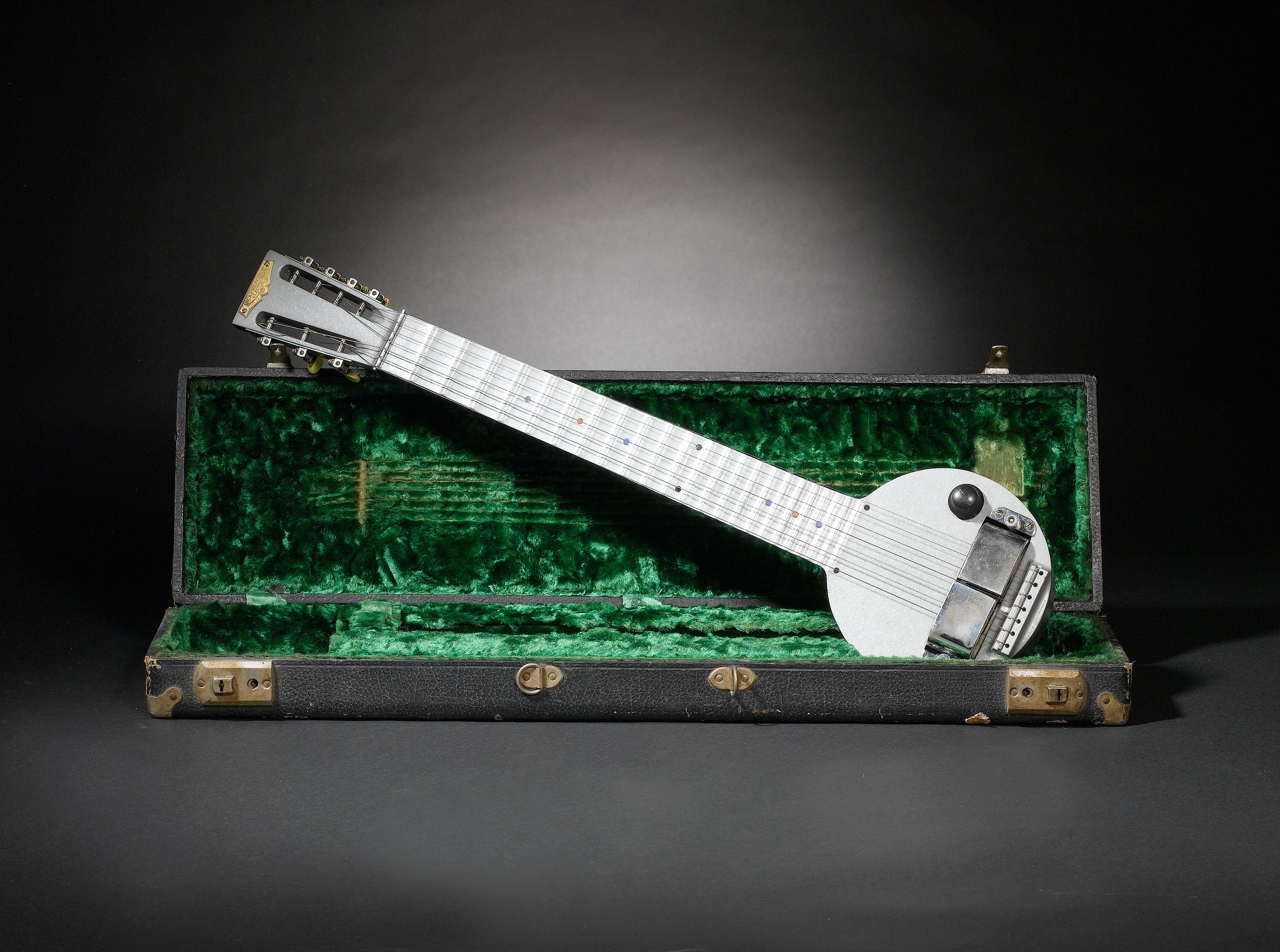
1. Rickenbacker “Frying Pan” 1931 — The First Electric Guitar
The Rickenbacker “Frying Pan”, introduced in 1931, was the world’s first commercially produced electric guitar. Its round, metal body and magnetic pickup were revolutionary—but most players and dealers didn’t know what to make of it, and adoption was slow.
Despite its initial obscurity, the Frying Pan paved the way for all modern electric guitars. Today, original 1931 models are priceless museum-quality collectibles, representing the very birth of electric guitar history.
Share Your Hidden Gems
Have you discovered a guitar that was ignored at first but is now a prized collector’s item? Share your story in the comments—we’d love to hear about your flop-to-top finds!
1 comment
hello.